



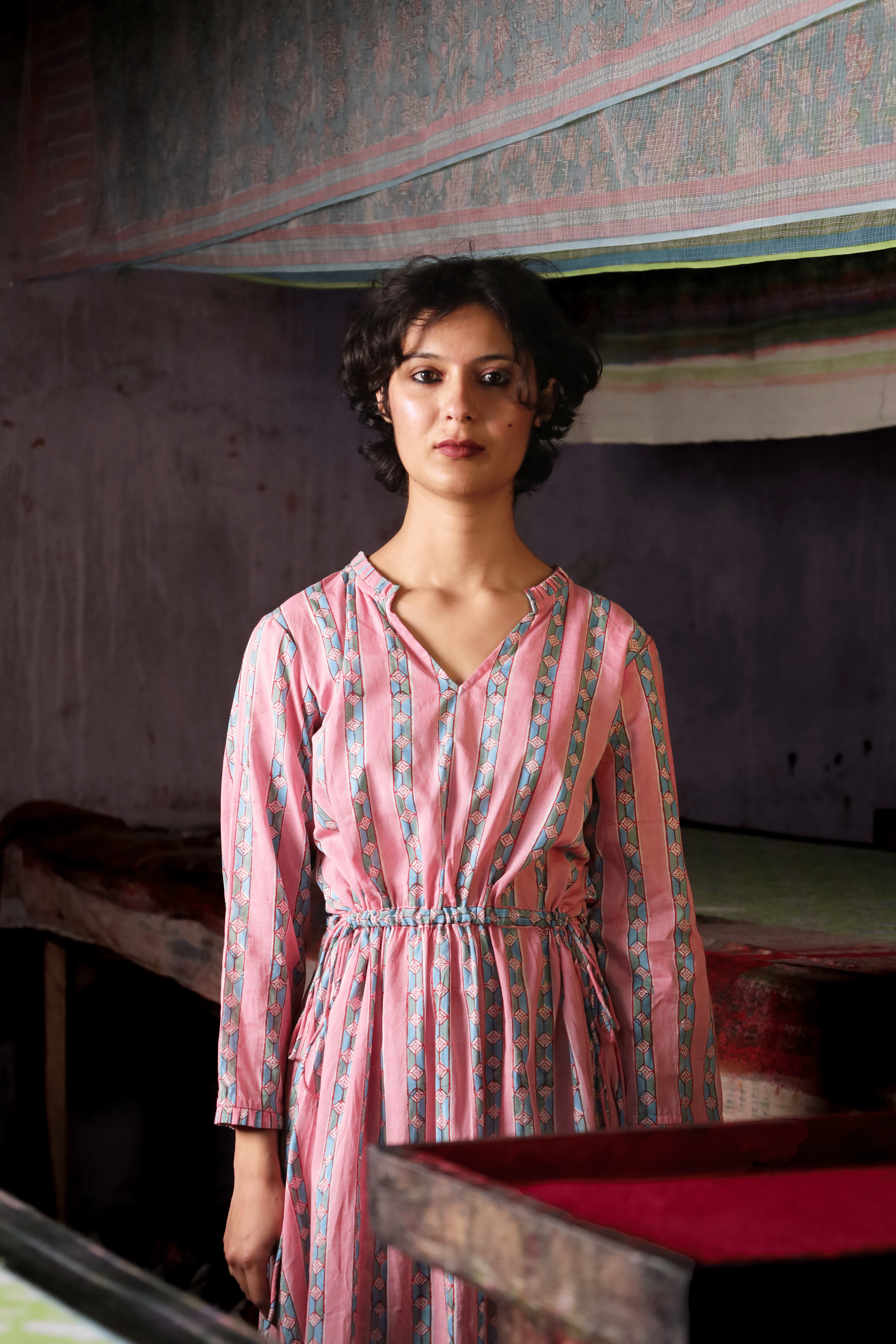


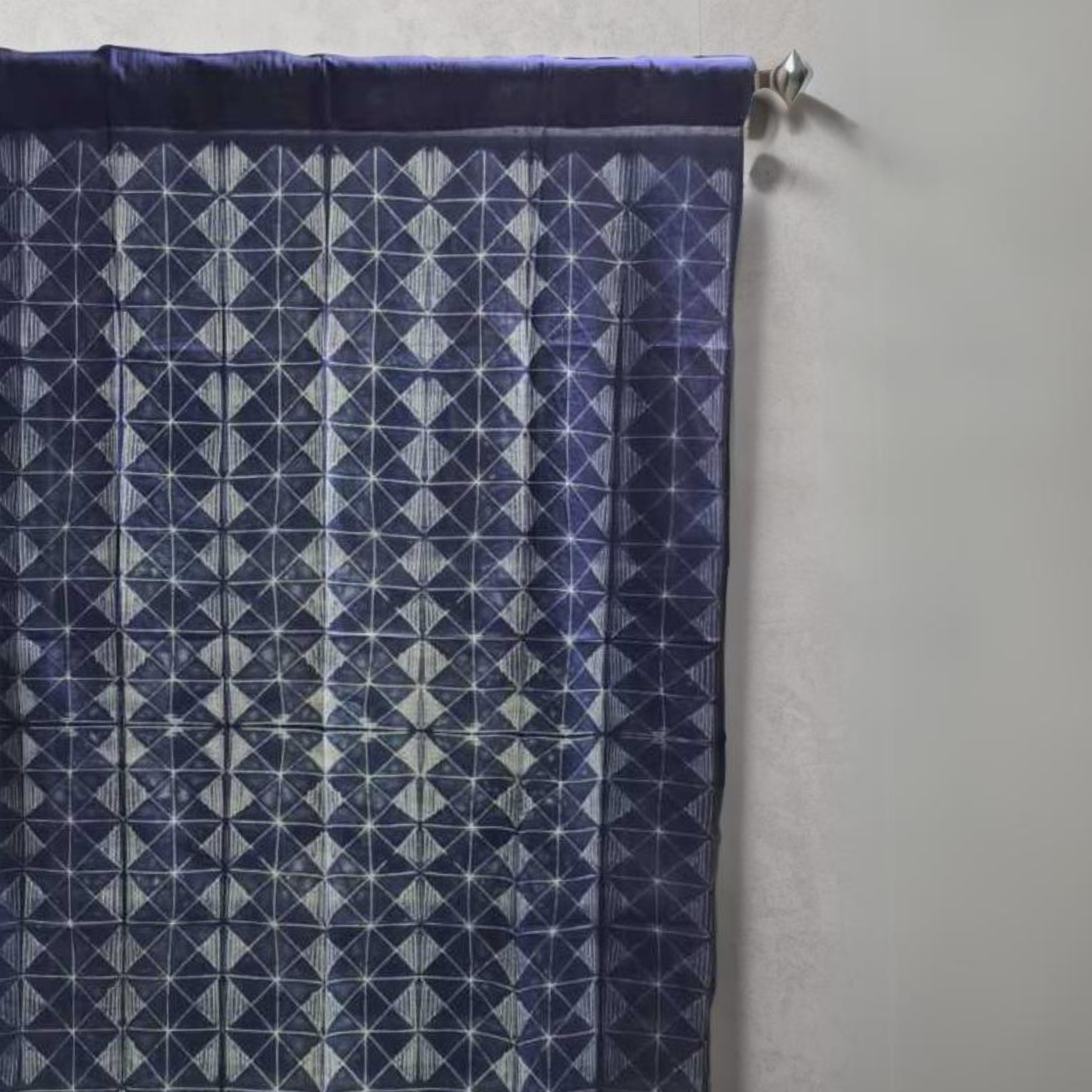


A visual story of handwork, heritage, and what sustainable fashion looks like when people come first.
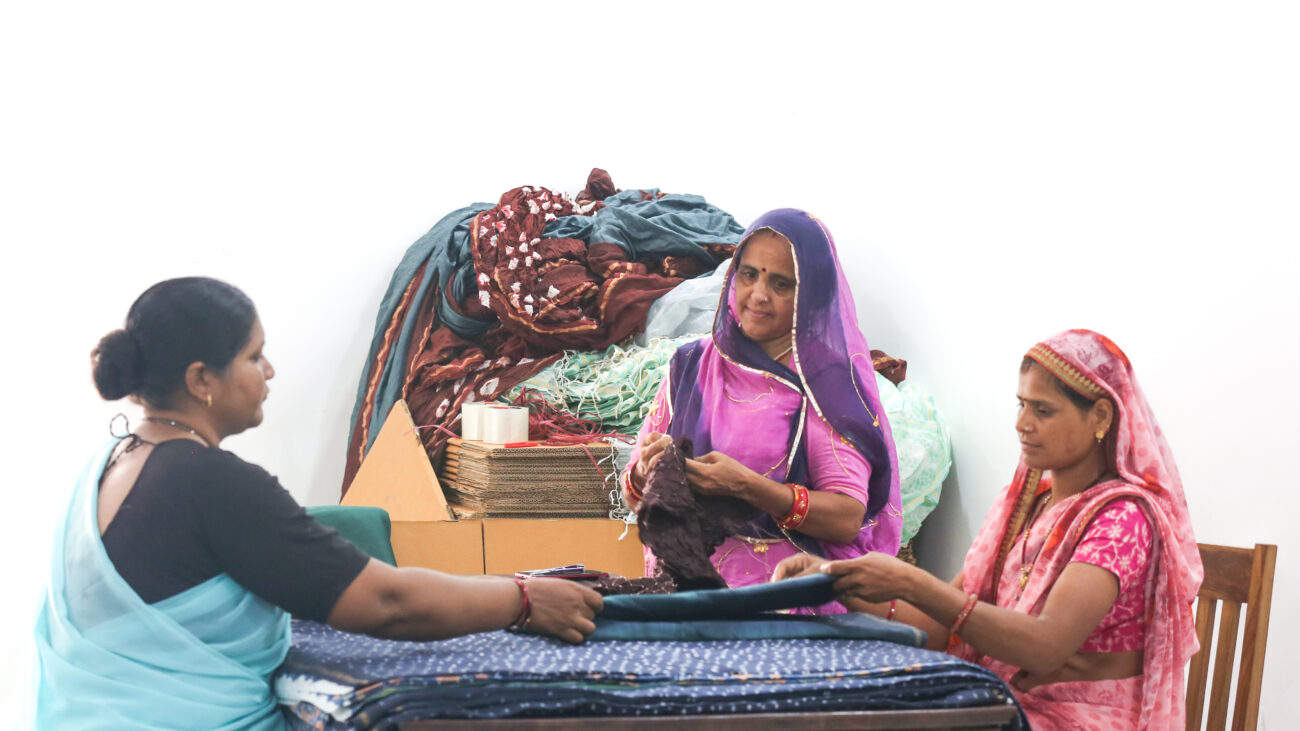
A saree does not begin as a finished garment. It begins as a thought, a rhythm, and a pair of steady hands. In the images, you can see that rhythm clearly: fabric laid out across the table, colors gathered together, tools ready, and artisans working with the kind of patience that cannot be rushed. This is what makes handmade textile work so special. It carries time inside it. Every fold, every print, every motif is part of a slower and more thoughtful way of making clothes, one that values skill, memory, and the person who wears the final piece.
Hands, Blocks, and the Language of Pattern
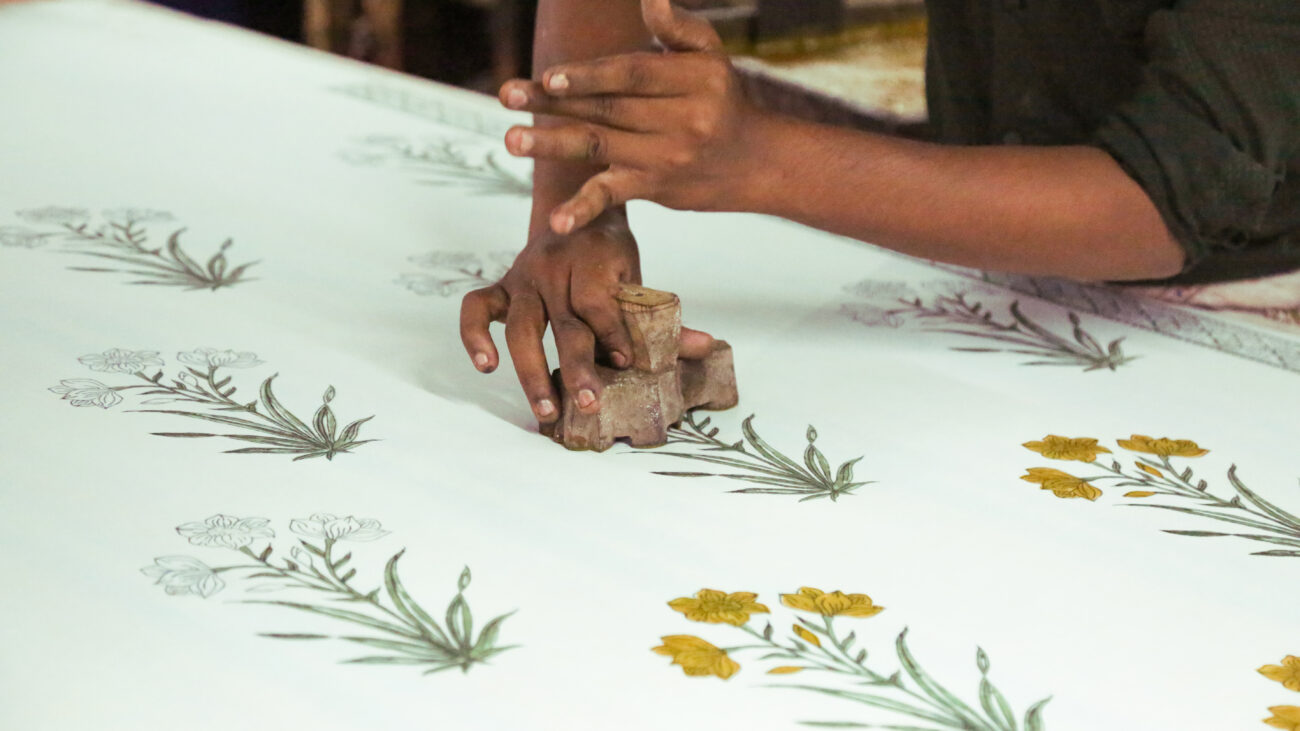
The beauty of handcrafted saree-making lies in the details that are easy to miss at first glance. A carved block becomes a tool for storytelling. A repeated floral mark becomes a pattern. A measured press of the hand becomes a design that feels alive because it was made one impression at a time. The close-up images show this beautifully: the carved wooden blocks, the painted surfaces, and the careful printing process all reveal how much precision sits behind a design that may look effortless once complete. India’s official handicrafts resources recognize block printing and related textile crafts as part of the country’s craft heritage, which is exactly why these techniques continue to matter today.
Why This Way of Making Still Matters
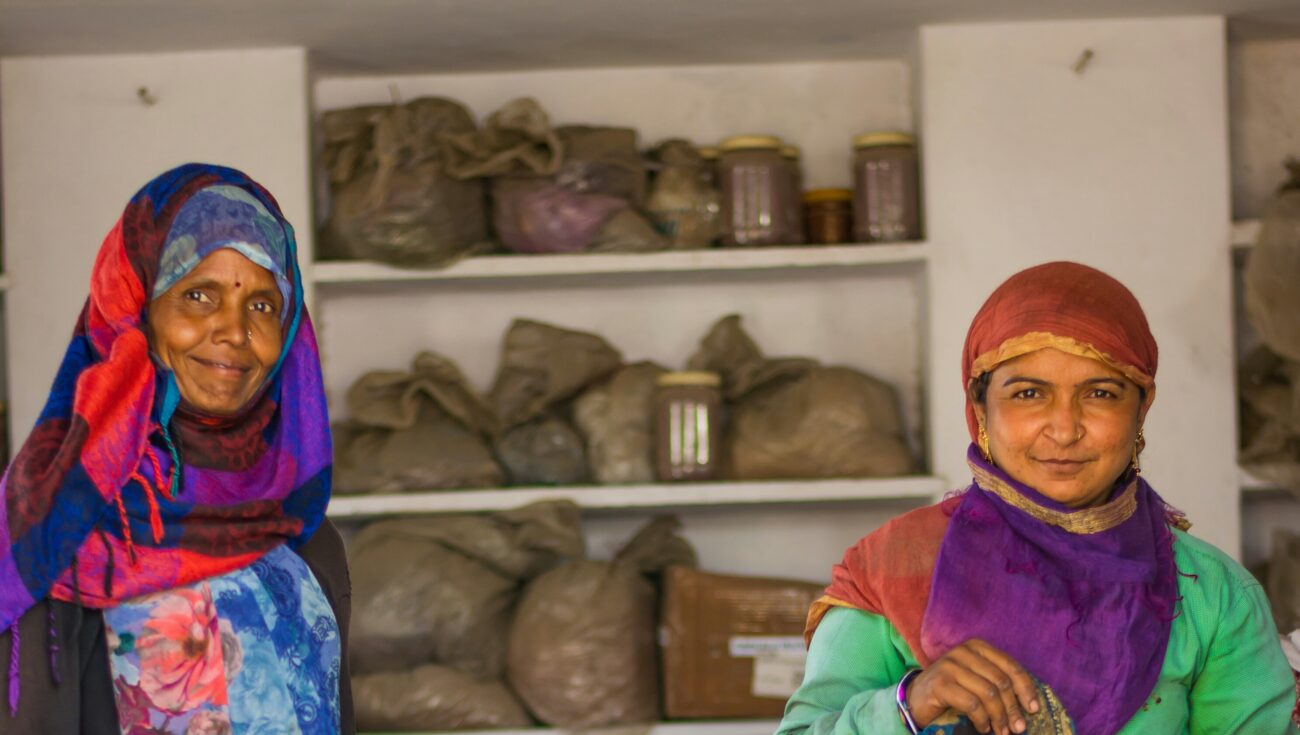
More people are now looking at fashion through a wider lens: not just how something looks, but how it is made, how long it lasts, and what kind of system it supports. UNEP has repeatedly highlighted the environmental burden of fashion and textiles and the need for more circular, durable, and responsible ways of producing clothing, while Fashion Revolution continues to push questions of transparency and accountability in the supply chain. That makes handmade work especially relevant, because it naturally brings attention back to durability, care, and the human story behind each textile.